Singapore Savings Bonds Limit became a meaningful milestone for me in July 2026 when I officially maxed out the full S$200,000 allowable amount. This achievement reflected years of disciplined saving and confidence in the stability of SSB Singapore. In this post, I’ll share why I went all-in, how to buy Singapore Savings Bonds, how they compare with Singapore Treasury Bills, and how you can invest in them using your Supplementary Retirement Scheme funds.
Why Singapore Savings Bonds Became My Anchor Investment
The appeal of Singapore Savings Bonds lies in their simplicity and reliability. They are designed for individuals who want steady returns without the volatility of equities or the complexity of structured products. When I first started investing in SSB Singapore, I was drawn to the idea of a government-backed instrument that offered step-up interest over ten years. The concept of Singapore Savings Bond Interest increasing annually made it easy to plan for long-term goals without worrying about market swings.
Over time, I realised that Singapore Savings Bonds were not just a safe haven but a strategic foundation. They balanced my portfolio against more volatile assets like REITs and stocks. By July 2026, after consistent monthly applications, I reached the maximum Singapore Savings Bonds Limit, which felt like a testament to patience and trust in Singapore’s financial system.
Understanding How Singapore Savings Bonds Work
Singapore Savings Bonds are issued by the Monetary Authority of Singapore. They allow investors to earn interest that increases each year over a ten-year period. This step-up structure means the longer you hold the bond, the higher your effective return. Unlike fixed deposits, which lock in a single rate, Singapore Savings Bonds reward long-term commitment.
Flexibility is another key advantage. Investors can redeem their Singapore Savings Bonds at any time without penalty. The principal is always protected, and redemption requests are processed monthly. This liquidity, combined with rising Singapore Savings Bond Interest, makes SSB Singapore ideal for both conservative savers and strategic investors.
Investing in Singapore Savings Bonds Using SRS Funds
One powerful feature of Singapore Savings Bonds is the ability to invest using your Supplementary Retirement Scheme funds. This allows you to combine the tax benefits of the SRS with the stability of SSB Singapore. Since idle SRS balances earn only 0.05 percent per year, allocating them to Singapore Savings Bonds enables you to capture higher yields backed by the Singapore Government.
Investing your SRS funds into Singapore Savings Bonds is straightforward. You can apply through your SRS operator using online banking. The process mirrors a regular SSB Singapore application, except that the funds are deducted from your SRS account. Once the bonds are issued, they appear in your CDP account, and interest payments are credited directly to your SRS account.
This approach enhances both the tax advantages of the SRS scheme and the stability of your retirement portfolio. Because Singapore Savings Bonds are low-risk and government-backed, they fit perfectly within the conservative investment profile that SRS funds are meant to support.
Why I Maxed Out My Singapore Savings Bonds Limit in July 2026
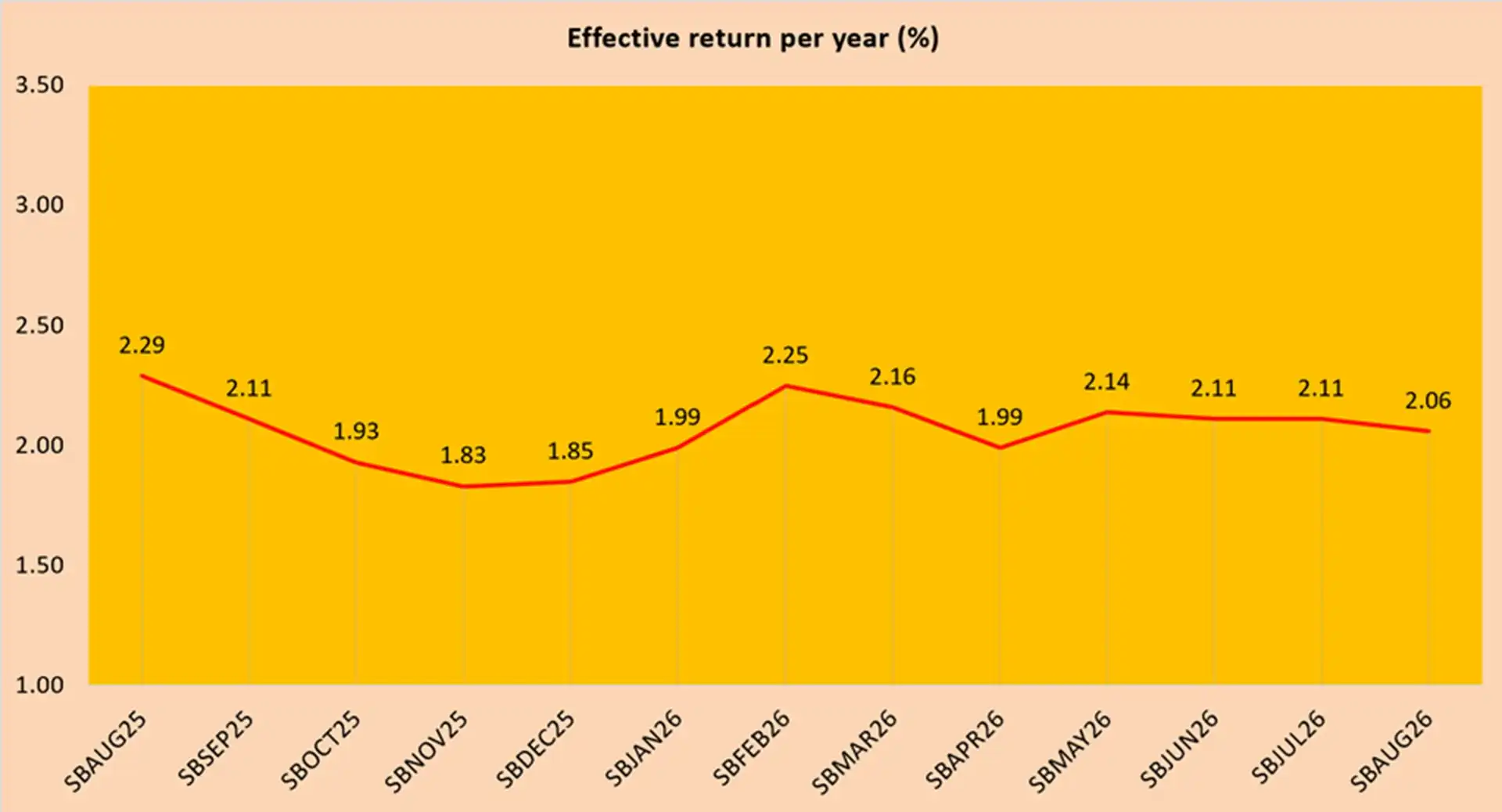
Reaching the Singapore Savings Bonds Limit was a deliberate decision. I had observed how Singapore Savings Bonds performed through different economic cycles. During volatile periods, SSB Singapore provided peace of mind. Each tranche came with a transparent ten-year interest schedule, allowing me to plan confidently.
By mid-2026, global markets were turbulent due to inflation and shifting monetary policies. While equities and REITs offered growth potential, they also carried risk. Singapore Savings Bonds, on the other hand, offered stability and predictable returns. The July 2026 tranche had a balanced interest profile that aligned perfectly with my long-term goals.
The Benefits of Investing in Singapore Savings Bonds
Safety is the most significant benefit. Singapore Savings Bonds are backed by the Singapore Government, which holds one of the world’s strongest credit ratings. This makes SSB Singapore one of the safest investment instruments available to retail investors.
The step-up interest structure is another major advantage. Singapore Savings Bond Interest increases each year, rewarding long-term holders. This makes SSB Singapore ideal for retirement planning, emergency funds, and wealth preservation.
Transparency is also key. Each tranche of Singapore Savings Bonds comes with a published interest schedule, so investors know exactly what they will earn. There are no hidden fees or complex terms.
Flexibility completes the picture. Investors can redeem their Singapore Savings Bonds at any time, making them suitable for those who value liquidity. Whether you need funds for an emergency or want to reallocate your portfolio, Singapore Savings Bonds give you freedom without penalty.
How to Apply for Singapore Savings Bonds
Buying or how to apply for Singapore Savings Bonds is simple. You need a Central Depository account, as the bonds are credited directly into it. Once your CDP account is ready, you can apply for SSB Singapore through online banking platforms offered by DBS, OCBC, or UOB. Applications open on the first business day of each month and close a few days before month-end.
Each month, MAS announces a new tranche with its interest schedule. You can review the rates and decide whether to invest. If successful, the bonds are credited to your CDP account, and interest is paid every six months. Redemption is equally straightforward.
Singapore Savings Bonds vs Singapore Treasury Bills
Singapore Savings Bonds and Singapore Treasury Bills are both government-backed instruments, but they serve different purposes. Treasury Bills are short-term securities with maturities of six months or one year. They are sold at a discount and redeemed at face value upon maturity.
Singapore Savings Bonds, on the other hand, are long-term instruments with a ten-year tenure. They pay interest every six months, and the rate increases over time. This makes SSB Singapore more suitable for long-term savers, while Treasury Bills appeal to those seeking short-term parking for cash.
In terms of liquidity, Singapore Savings Bonds offer more flexibility. You can redeem them monthly without penalty, whereas Treasury Bills are locked until maturity. However, Treasury Bills often provide slightly higher short-term yields during periods of rising interest rates.
From a portfolio perspective, both instruments complement each other. Singapore Savings Bonds provide long-term stability and predictable Singapore Savings Bond Interest, while Treasury Bills offer flexibility for short-term cash management.
My Personal Experience with Singapore Savings Bonds
Maxing out my Singapore Savings Bonds Limit in July 2026 was a proud moment. It represented years of consistent saving and belief in the stability of SSB Singapore. Each tranche contributed to a long-term plan focused on safety and predictable returns.
Looking ahead, Singapore Savings Bonds will remain central to my strategy. They provide a sense of security that complements my more dynamic investments. While markets fluctuate, Singapore Savings Bonds stay steady.
Maxing Out My Singapore Savings Bonds Limit in July 2026
Singapore Savings Bonds are one of the most powerful yet underrated financial tools available to Singaporeans. They offer safety, flexibility, transparency, and rising interest over time. For anyone seeking long-term wealth without unnecessary risk, SSB Singapore is an excellent choice.
Whether you’re starting your financial journey or strengthening your portfolio, Singapore Savings Bonds deserve serious consideration. With predictable Singapore Savings Bond Interest, full liquidity, and government backing, they remain one of the best ways to build a secure financial future, especially when paired with Treasury Bills and SRS investments.