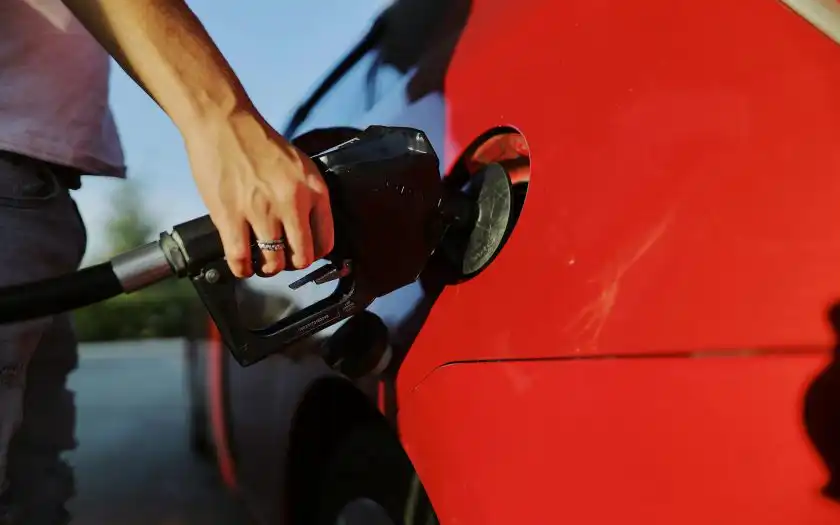
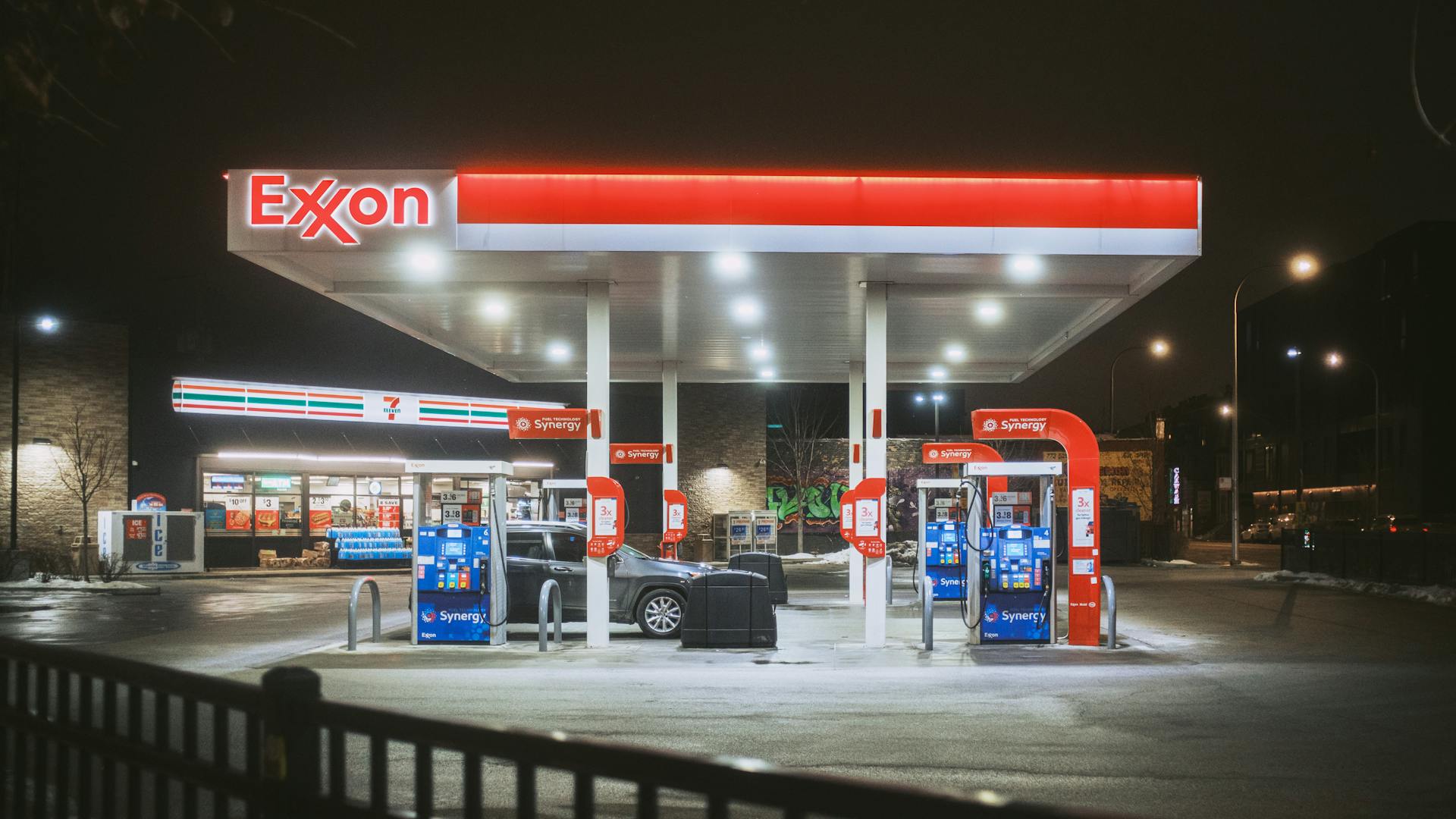
Singaporeans have been feeling the sting at the pump once again, as petrol prices surge to levels not seen since the Ukraine crisis. The ongoing Iran war has disrupted global oil supply routes, triggered market panic, and pushed oil prices Singapore motorists rely on to new highs. For drivers, private‑hire operators, and businesses, the question is no longer whether prices will rise, it is how long this painful trend will last and where to find the cheapest petrol in Singapore today.
This in‑depth guide explores why the Iran conflict has such a dramatic impact on oil prices Singapore depends on, how petrol retailers are responding, and which stations currently offer the lowest pump prices. Whether you are a daily commuter or a private‑hire driver clocking long hours, understanding the forces behind these price hikes can help you make smarter decisions at the pump.
How the Iran War Triggered a Surge in Oil Prices Singapore Depends On
The Iran war has disrupted one of the world’s most critical oil chokepoints: the Strait of Hormuz. This narrow waterway typically handles about a fifth of global oil shipments, and its closure has sent shockwaves through global energy markets. Singapore, which imports all its crude oil mostly from the Middle East is especially vulnerable to such disruptions.
Reports indicate that the conflict has caused significant disruptions in crude oil supply, prompting major petrol station operators in Singapore to raise prices almost immediately. The war has also led to attacks on foreign tankers and increased shipping risks, further driving up costs. When oil and LNG facilities across Bahrain, Kuwait, Qatar, Saudi Arabia, and the UAE were targeted, Brent crude spiked dramatically, with analysts warning that prices could climb even higher if the conflict persists.
Even though Singapore is geographically distant from the Middle East, its energy market is tightly linked to global crude benchmarks. As long as the region remains unstable, oil prices Singapore motorists face will continue to fluctuate sharply.
Why Petrol Prices in Singapore Rise So Quickly
One of the biggest frustrations among motorists is how quickly pump prices rise in response to global tensions. Within just days of the Iran war escalating, fuel prices in Singapore surged across all major petrol brands.
This rapid increase is driven by several factors. Market sentiment plays a major role, as traders price in the risk of supply disruptions even before physical shortages occur. Shipping and insurance costs have also soared, with tankers avoiding dangerous waters and insurers raising premiums. Singapore’s complete dependence on imported oil means that any global price movement is felt almost instantly. Retailers also adjust prices based on future supply costs rather than existing inventory, creating the perception that pump prices rise faster than they fall.
How High Have Petrol Prices Climbed?
The latest surge has pushed petrol prices in Singapore past previous records set during the Ukraine crisis. Caltex recently raised its 95‑octane petrol to S$3.45 per litre, surpassing its earlier high of S$3.42. Other major brands such as Shell, Esso, and Sinopec have also adjusted their prices upward.
For many motorists, the psychological tipping point is S$3 per litre, and that threshold has been crossed decisively. Some premium grades have even exceeded S$4 per litre. Private‑hire drivers, who refuel daily, are feeling the pinch most acutely. A Toyota Noah Hybrid now costs significantly more to fill up compared to just weeks earlier.
How Long Will High Oil Prices Singapore Motorists Face Last?
Even if the Iran war ends soon, analysts warn that petrol prices will not immediately return to pre‑conflict levels. Damage to oil infrastructure, shipping backlogs, and lingering market uncertainty will keep prices elevated for some time. Geopolitical tensions tend to have long‑lasting effects on global energy markets, and as long as the Middle East remains unstable, oil prices Singapore relies on will remain volatile.
Where to Find the Cheapest Petrol in Singapore Right Now
With prices rising across the board, motorists are increasingly seeking out stations offering lower rates. Fortunately, not all stations have raised prices equally, and some continue to offer more competitive rates despite global volatility.
SPC has consistently maintained some of the lowest pump prices during this surge. Many drivers have been heading to SPC Adam Road at 31 Adam Road, Singapore 289896, which is centrally located and easily accessible from the PIE. Others prefer SPC Balestier at 462 Balestier Road, Singapore 329837, especially those living in the Novena and Toa Payoh areas. Motorists in the south have been frequenting SPC Bukit Merah at 3800 Jalan Bukit Merah, Singapore 159464, while those in the northeast often choose SPC Hougang at 120 Hougang Avenue 2, Singapore 538858. In the east, SPC Upper East Coast at 157 Upper East Coast Road, Singapore 455253 remains a popular choice, and drivers in the north rely on SPC Yishun at 599 Yishun Ring Road, Singapore 768683. These stations have become go‑to options for motorists looking to stretch their dollar as oil prices Singapore continues to climb.
Cnergy has also emerged as a surprising low‑cost option during the recent price spikes. The station at 33 Jalan Buroh, Singapore 619487 has gained a reputation among private‑hire drivers for offering significantly cheaper 95‑octane petrol compared to major brands. Long queues have formed there during peak periods, especially after word spread on social media about its lower prices. Cnergy’s presence in the Jurong West industrial belt has also made it a convenient choice for drivers working in the area, and many have made it part of their regular refuelling routine.
For diesel users, SPC continues to offer some of the lowest pump prices islandwide, making stations like SPC Punggol at 100 Punggol Central, Singapore 828839 particularly attractive to commercial drivers and logistics operators.
Why Some Stations Can Offer Cheaper Fuel
The price differences between stations can be attributed to several factors. Some brands operate with lower overheads or adopt more competitive pricing strategies. Others may have secured supply contracts at lower prices before the conflict escalated, allowing them to delay price hikes. Promotions, loyalty programmes, and credit card rebates also play a significant role in reducing the actual amount motorists pay at the pump, even when posted prices appear high.
How Motorists Are Coping With Rising Oil Prices Singapore Is Facing
Drivers across Singapore are adapting in various ways. Private‑hire drivers are driving longer hours to maintain earnings and are increasingly seeking out cheaper stations like Cnergy Jalan Buroh to reduce fuel costs. Everyday motorists, despite rising prices, have not significantly reduced their mileage, as fuel remains a variable cost that most absorb given the high fixed costs of car ownership in Singapore. Transport operators such as taxi companies have temporarily absorbed some fuel cost increases at in‑house pumps to support their drivers.
Will Oil Prices Singapore Relies On Eventually Stabilise?
History suggests that oil markets eventually stabilise after geopolitical shocks, but the timeline is uncertain. Even if the Iran war ends soon, analysts caution that prices will not fall immediately due to infrastructure damage, shipping backlogs, and lingering market uncertainty. Higher insurance premiums for tankers and long‑term geopolitical risks will continue to influence global energy markets.
Final Thoughts: Navigating High Oil Prices Singapore Drivers Face
The Iran war has created a perfect storm for global energy markets, and Singapore, being fully dependent on imported oil has felt the impact almost instantly. As oil prices Singapore relies on continue to fluctuate, motorists must stay informed and strategic. Stations like SPC Adam Road, SPC Balestier, SPC Bukit Merah, SPC Hougang, SPC Upper East Coast, SPC Yishun, and Cnergy Jalan Buroh currently offer some of the most competitive prices in Singapore. Keeping an eye on price‑tracking apps, taking advantage of credit card promotions, and adjusting driving habits can help motorists manage costs during this turbulent period.
Understanding the forces behind rising petrol prices empowers drivers to make smarter, more cost‑effective decisions, even as global uncertainties continue to shape the energy landscape.